What pieces, what colors, and what purchasing habits truly distinguish a current wardrobe this season? The fashion trends for fall 2026 are not just a checklist of items to buy. They reflect a broader shift, where second-hand, textile sobriety, and new European directives against greenwashing redefine what a stylish look means.
Second-hand and new pieces: the true sharing of the wardrobe this season
Competitors list items to buy. They overlook a structural fact: second-hand now represents a significant share of fashion purchases, with an even greater weight among 18-24 year-olds, according to the Gazette des commerçants (August 2026). It is no longer a fallback purchase; it is a deliberate style choice.
A pan-European study from September 2026 confirms the shift: more than half of Generation Z reports having purchased second-hand clothing or accessories in the past year, through platforms like Vinted or eBay. The mix of vintage pieces and new items has become an aesthetic norm, not an exception.
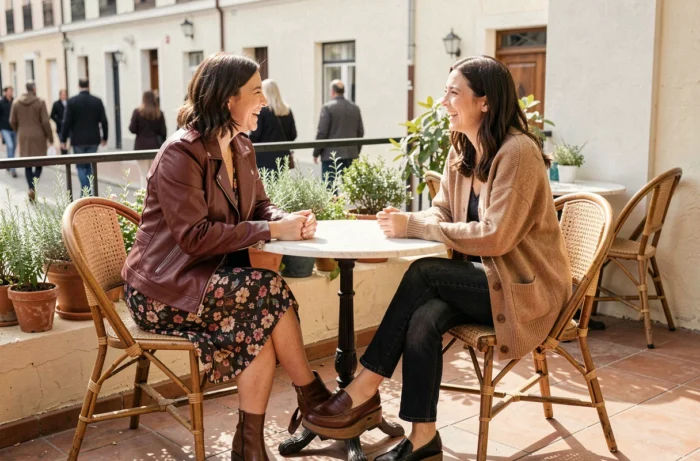
This phenomenon alters the interpretation of fashion trends. Wearing a seasonal burgundy blazer with thrifted straight-leg jeans is not a budget compromise; it is the dominant reflex. To keep track of the most circulating pieces and colors, a useful resource is: https://fashionclick.fr/, which aggregates current trends.
Fall 2026 colors: burgundy, chocolate, and warm neutrals against the bright red of the runways
The palettes offered by brands and the spring-summer shows do not always align with what consumers actually adopt in the fall. This season, two registers coexist.
| Color Register | Associated Pieces | Trend Origin |
|---|---|---|
| Deep Burgundy | Blazer, midi skirt, knit sweater | Fall-winter shows and streetwear revival |
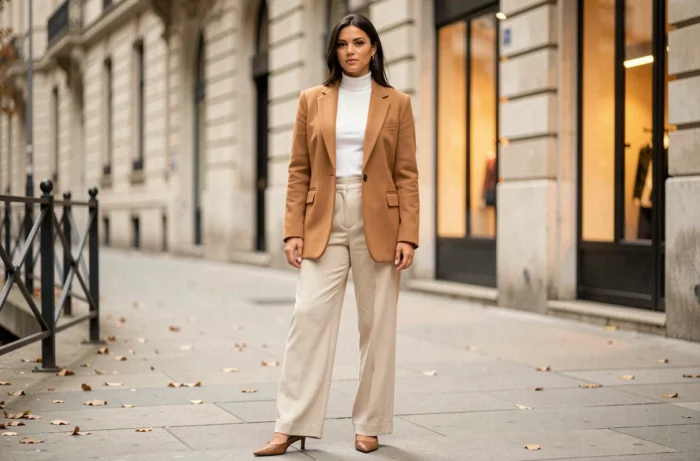
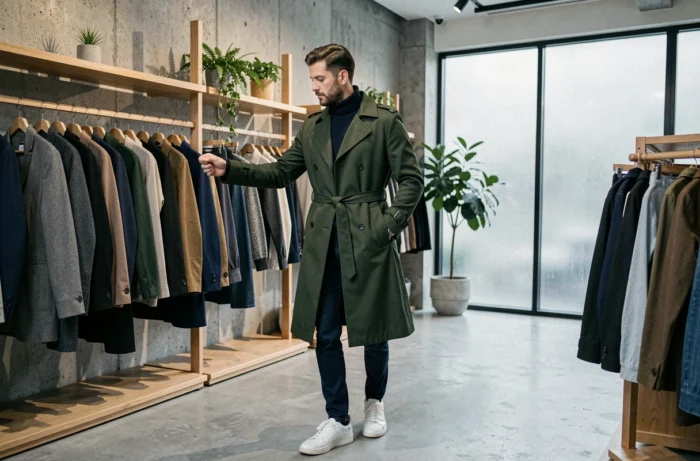
| Chocolate, Ecru, Khaki | Flowy pants, trench, blouse | New neutrals replacing classic beige |
| Bright Red, Red Leather | Dress, short jacket, accessories | Spring-summer 2026 shows (Vogue) |
| Butter Yellow | Oversized sweater, shirt, skirt | Summer-fall transition |
Burgundy emerges as the standout color of fall 2026. In contrast, warm neutrals (chocolate, ecru, khaki) are gaining ground, replacing beige, which is seen as too flat. These shades work well on both new pieces and second-hand finds, which partly explains their success.
Bright red, very prominent on the runways, remains more challenging to integrate into daily wear. It works better as an accessory or a standout piece worn with a neutral wardrobe.
Pieces to prioritize for a stylish look without overaccumulation
The trend of “less but better” is gaining momentum. An increasing number of consumers report buying second-hand not only for the price but to reduce the overall volume of clothing purchased. This chosen sobriety changes the logic of the seasonal wardrobe: instead of ten trendy pieces worn three times, three or four well-chosen items structure the look.
The standout pieces this season share a common point: they can be combined with each other and transition across multiple contexts (office, weekend, casual evening).
- The structured blazer, in burgundy or chocolate, worn over both straight jeans and a midi dress. Its cut allows for transitioning from the office to a restaurant without changing outfits.
- The high-waisted flowy pants, in ecru or khaki, which replace slim jeans in the most updated wardrobes. They pair well with a tucked-in blouse or an oversized sweater.
- Thick knitwear (oversized sweater or buttoned cardigan), which serves as a key piece in mid-season. Thrifted versions are among the most sought after on platforms.
- The pleated or straight midi skirt, in a flowy material, worn with flat ankle boots for an effortless fall look.
The trap of the “statement” piece bought for a single outfit
Fashion items often push towards the red dress or the colorful leather jacket as a seasonal purchase. These high-personality pieces often end up being worn little if the rest of the wardrobe does not follow suit. Before investing, checking that at least three different outfits are possible with the existing clothes remains the most reliable test.
Greenwashing and fashion claims: what changes from September 27, 2026
The European directive “Empowering Consumers for the Green Transition” (Directive (EU) 2024/825) comes into effect on September 27, 2026. It prohibits generic environmental messages and unverified labels on products sold in the European Union. For fashion, this means that a garment labeled “eco-friendly” or “sustainable” without verifiable certification now violates regulations.
This regulatory framework alters the way to choose clothing this season. Uncertified “green” claims become illegal, prompting brands to substantiate every environmental claim with documented evidence.
In practical terms, during an online or in-store purchase, the absence of a certified label behind an ecological argument should raise a red flag. Second-hand platforms partly escape this issue, as the reuse of an existing garment does not involve a manufacturing claim.
Materials and cuts that shape the autumn 2026 style
Leather (and its synthetic alternatives) remains very visible, worn as a short jacket or skirt. The spring-summer 2026 shows highlighted it in red and black tones. In contrast, fluid materials (viscose, crepe, fine knit) dominate bottoms and blouses, creating a contrast of textures in silhouettes.
The oversized cut does not retreat but sharpens: sweaters are roomy, blazers are slightly padded, while pants return to straight or flared lines rather than wide. The barrel jean, heavily pushed in spring, gives way to the classic straight jean for fall.
This season’s fashion trends reward wardrobes built on a few versatile pieces, worn in rotation, mixed between new and second-hand. Burgundy, warm neutrals, and structured cuts form the foundation. The new European regulations on greenwashing add an additional filter at the time of purchase, favoring transparency over marketing.